
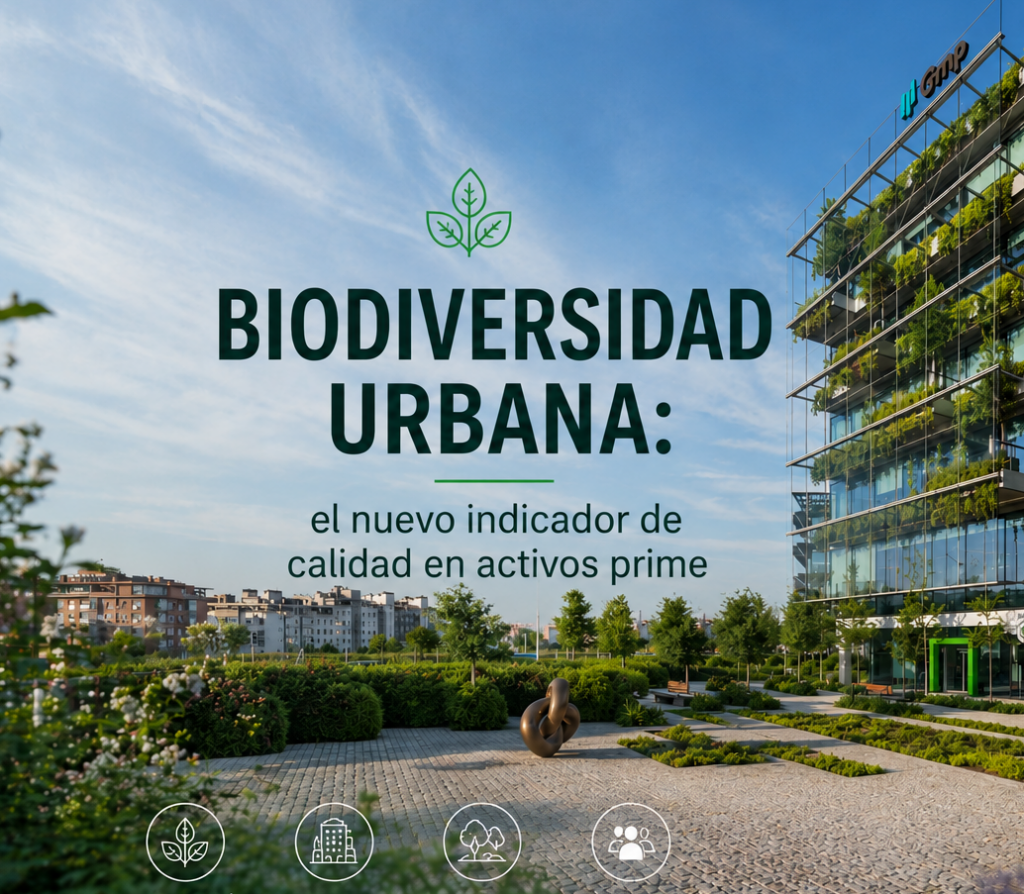
In recent years, the concept of sustainability within the real estate sector has undergone a significant transformation. It is no longer confined strictly to energy efficiency or carbon footprints; it now encompasses an increasingly vital dimension: urban biodiversity. Today, integrating nature into the built environment is a definitive hallmark of quality, particularly in major hubs like Madrid.
Urban Biodiversity: A Core ESG Pillar
Within ESG (Environmental, Social & Governance) frameworks, biodiversity has emerged as a critical metric for assessing a building’s positive environmental impact. The “rewilding” or renaturalisation of urban spaces does more than just protect the local environment; it bolsters a city’s resilience against climate change.
Against this backdrop, sustainable office developments in Madrid are adopting innovative solutions to foster more balanced urban ecosystems.
Renaturalisation: Bringing Nature Back to the City
Renaturalisation involves restoring natural character to urban settings through strategic green interventions. In the property sector, this manifests as:
- Green Roofs: Which mitigate the “urban heat island” effect and enhance the building’s thermal insulation.
- Living Walls: Which improve air quality while providing significant aesthetic value.
- Landscaped Outdoor Spaces: Which promote local biodiversity and create more inviting environments.
The goal is to move beyond mere decoration, integrating green solutions that serve genuine ecological and social functions. These initiatives do more than just help the planet; they drive asset appreciation and increase appeal for blue-chip tenants.
The Human Impact: Wellbeing and Productivity
One of the most compelling arguments for urban biodiversity is its direct impact on human health. Extensive research confirms that regular contact with nature reduces stress, sharpens focus, and boosts productivity.
In the modern workplace, access to outdoor areas, greenery, or views of natural elements has become a key differentiator. Companies are increasingly demanding offices that are not only operationally efficient but also promote the holistic health of their workforce.
Sustainable Offices in Madrid: A Growing Trend
Madrid is positioning itself as a European leader where sustainability and biodiversity are gaining serious traction in office development. Prime assets are increasingly incorporating “nature-based solutions” as standard. Consequently, urban biodiversity is becoming a new quality benchmark, influencing both asset valuations and the end-user experience.
Towards a New Urban Model
The commitment to urban biodiversity reflects a broader vision: a move toward cities that are more sustainable, healthy, and resilient. Integrating nature into our built environment is no longer a “nice-to-have” trend; it is a necessity in addressing today’s environmental and social challenges.
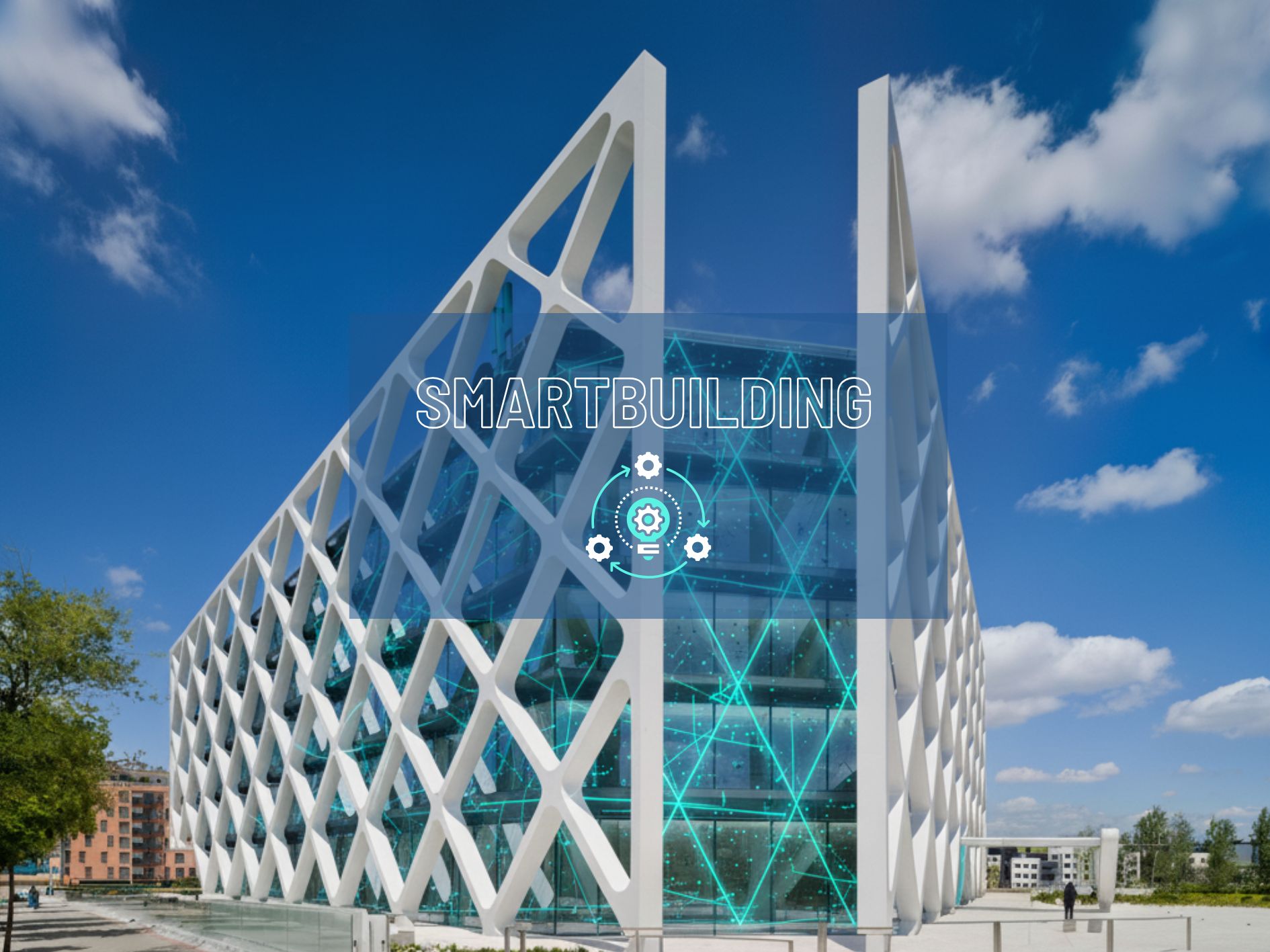
A standout example of this philosophy is ARQBÓREA, a flagship Gmp development that places nature at the heart of its design. By prioritising green spaces and user wellbeing as its core pillars, it exemplifies a forward-thinking approach to real estate. This model reflects a firm commitment to creating long-term value, championing sustainable office space in Madrid, and contributing to a greener, more balanced city prepared for the future.